
May 3–9 marks Emergency Preparedness Week. It’s a timely reminder that preparedness matters more than ever. Wildfires, floods, and extreme weather are affecting communities across Canada more often—and with greater impact.
Here at home in Sackville–Bedford–Preston, we’ve seen how powerful storms, flooding, and wildfire risks can disrupt neighbourhoods, roads, and daily life. Being prepared helps ensure families, seniors, and first responders can stay safe when emergencies occur.
That’s why Canada’s new government is focused on what we can control: making sure Canadians and communities are ready before disaster strikes. This means strengthening preparedness, improving coordination, and building the capacity to respond when it matters most—especially in communities like ours.
This year’s theme—“Be Prepared. Know Your Risks.”—is a simple but powerful call to action. Preparation is a shared responsibility that saves lives, protects homes, and helps communities recover faster.
You can take three simple steps to prepare:
- Know the risks in your community, from flooding to wildfire and severe weather
- Make a plan with your family, including how to stay connected during an emergency
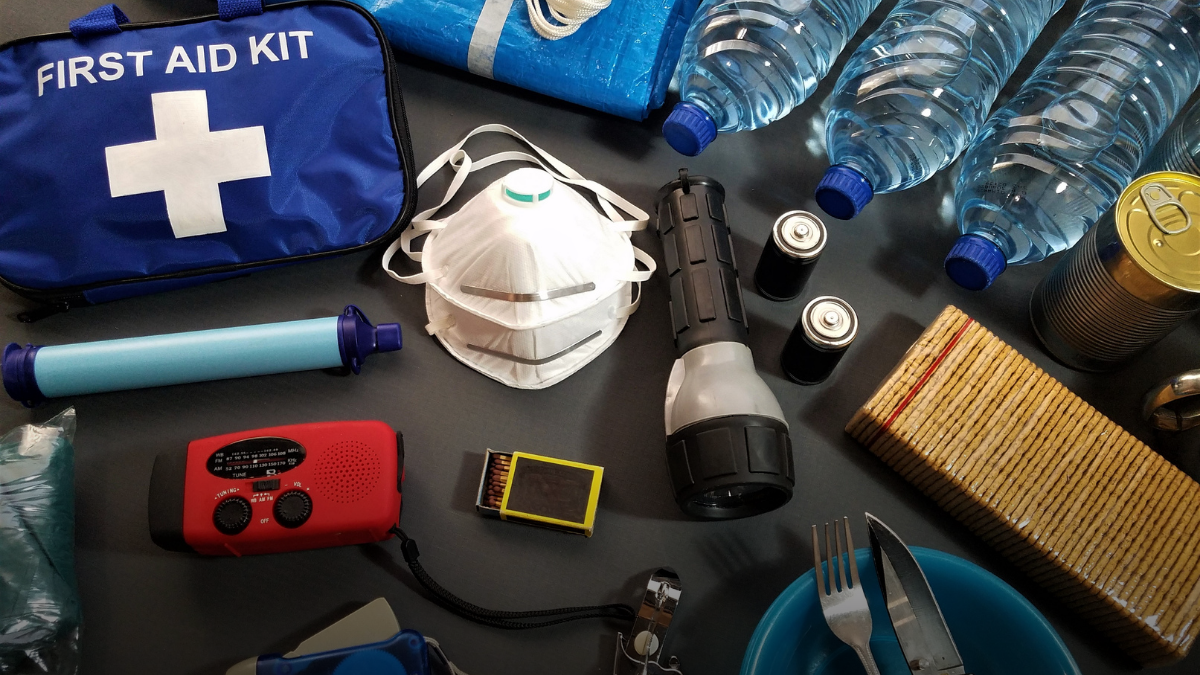
- Build an emergency kit that can sustain you for at least 72 hours
These are small steps, but they make a real difference when it counts.
Emergency Kit Checklist
In an emergency, you will need basic supplies. It’s your responsibility to start gathering supplies and start thinking about what your family will need to be self-sufficient for at least 72 hours in an emergency. Learn more about emergency kits!
- Emergency Kit Materials Checklist
- Water (two litres of water per person per day)
- Food that won’t spoil (replace once a year)
- Manual can opener
- Wind-up or battery-powered flashlight (and extra batteries)
- Wind-up or battery-powered radio (and extra batteries)
- First aid kit
- Extra keys (for car and house)
- Cash, travellers’ cheques and change
- Important family documents (identification, insurance and bank records)
- Emergency plan (include copy in kit as well as contact information)
Consider these additional emergency kit supplies:
- Two additional litres of water per person per day for cooking and cleaning
- Candles and matches or lighter (place in sturdy containers and do not burn unattended)
- Change of clothing and footwear for each household member
- Sleeping bag or warm blanket for each household member
- Toiletries and personal hygiene items
- Hand sanitizer, toilet paper and garbage bags
- Prepaid phone card, mobile phone charger
- Pet food and supplies
- Infant formula, baby food and supplies
- Activities for children like books, puzzles or toys
- Prescription medications, medical equipment
- Utensils, plates and cups
- Household chlorine bleach or water purifying tablets
- Basic tools (hammer, pliers, wrench, screwdrivers, work gloves, pocketknife)
- Small fuel-operated stove and fuel
- Whistle (to attract attention)
- Duct tape
You can also choose to buy an emergency kit or a car kit online and in various stores across Canada. Other kits and emergency supplies are available for sale from other commercial entities.