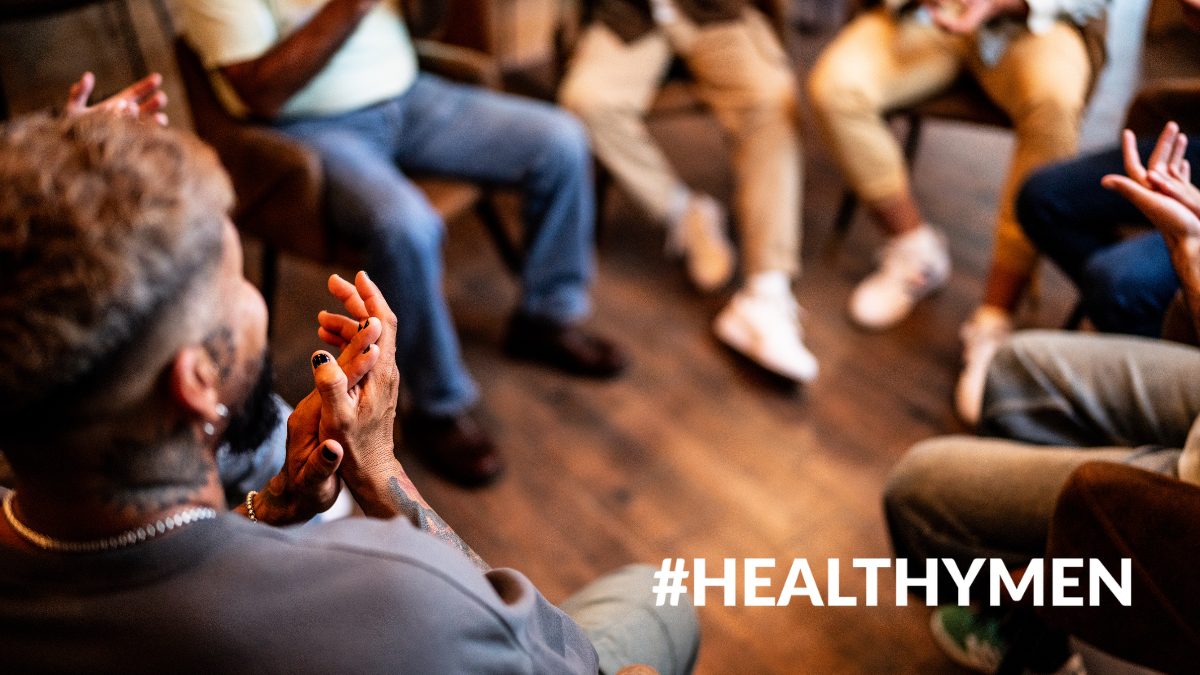
To build Canada Strong, we need the full participation of everyone in our society. While many men and boys face significant physical and mental health challenges, these issues have too often been overlooked, misunderstood or inadequately measured.
Supporting men’s well-being not only improves their lives, but strengthens families, communities and workplaces to positively impact all Canadians. Improved men’s health in Canada could save $12.4 billion annually, with billions more in increased productivity.
The Government of Canada has launched a National Conversation on Men and Boys’ Health. Input gathered through this conversation will inform the development of Canada’s first Men and Boys’ Health Strategy, which will be released later in 2026.
Take Part
Until June 1, 2026, people across the country can share their perspectives by visiting Canada.ca/Healthy-Men. The questionnaire only takes a few minutes to complete and provides an opportunity to share experiences and ideas on how to better support the physical and mental well-being of men and boys.
We invite everyone to join this conversation. Men, young adults, boys, partners, families, friends and communities can share their experiences and ideas.
Having this conversation and sharing feedback will help shape a strategy that makes a real difference for the health and well-being of men and boys across Canada.
Statistics on Men and Boys’ Health
- Improved men’s health in Canada could save $12.4 billion annually, with billions more in increased productivity, according to Movember Canada’s 2025 study on the Real Face of Men’s Health.
- Men are 3 times more likely than women to die by suicide and develop gambling problems.
- 28% of men meet the criteria for a substance use disorder in their lifetime. Between July 2024 and June 2025, 72% of all apparent opioid toxicity deaths were among males.
- Concerning social trends, including harmful online spaces (like the “manosphere”) and social isolation are increasing health risks for boys and men.
- In 2021, men were twice as likely to die from preventable causes than women
- Men are less likely than women to engage with primary care or access preventive services, including health screening.
- 65% of Canadian men wait more than six days with symptoms before visiting the doctor.